Air Conditioning Becomes Essential in Abidjan's Heat
By David Okafor
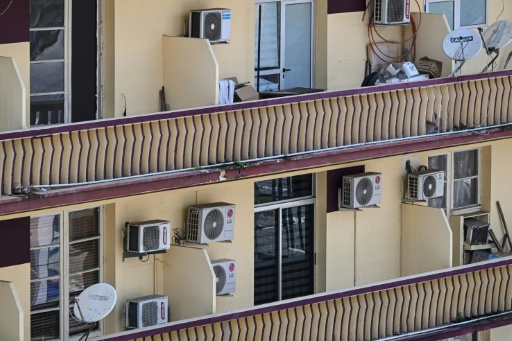
In Abidjan, Côte d'Ivoire, air conditioning is no longer considered a luxury but a necessity, as residents face high temperatures for much of the year. Indoor temperatures are often kept at around 23°C, significantly cooler than the outdoor temperatures that frequently reach 30°C, according to reports from Modern Ghana.
The widespread use of air conditioning spans all segments of society, from affluent households to more modest ones. This normalization of AC use is evident in various settings, including homes, offices, and public spaces. A local banker emphasized the necessity, stating, "We have to have it because it feels good… I can’t sleep without it."
Abidjan's climate, characterized by sustained high temperatures for approximately eight months annually, drives the demand for cooling solutions. A study published in the Journal of Geoscience and Environment Protection identified the thermoneutral temperature in Abidjan's dwellings as approximately 24.9°C during the rainy season and 25.15°C in the dry season.
This increased reliance on air conditioning is putting pressure on Côte d'Ivoire's electricity system, the third-largest in West Africa. In 2023, electricity consumption reached 12,292 GWh, marking a 10% increase from the previous year. The country's installed generation capacity is 2,907 MW, with a mix of thermal, hydropower, and solar energy sources.