AI System Revolutionizes Telescope Scheduling
By Priya Anand
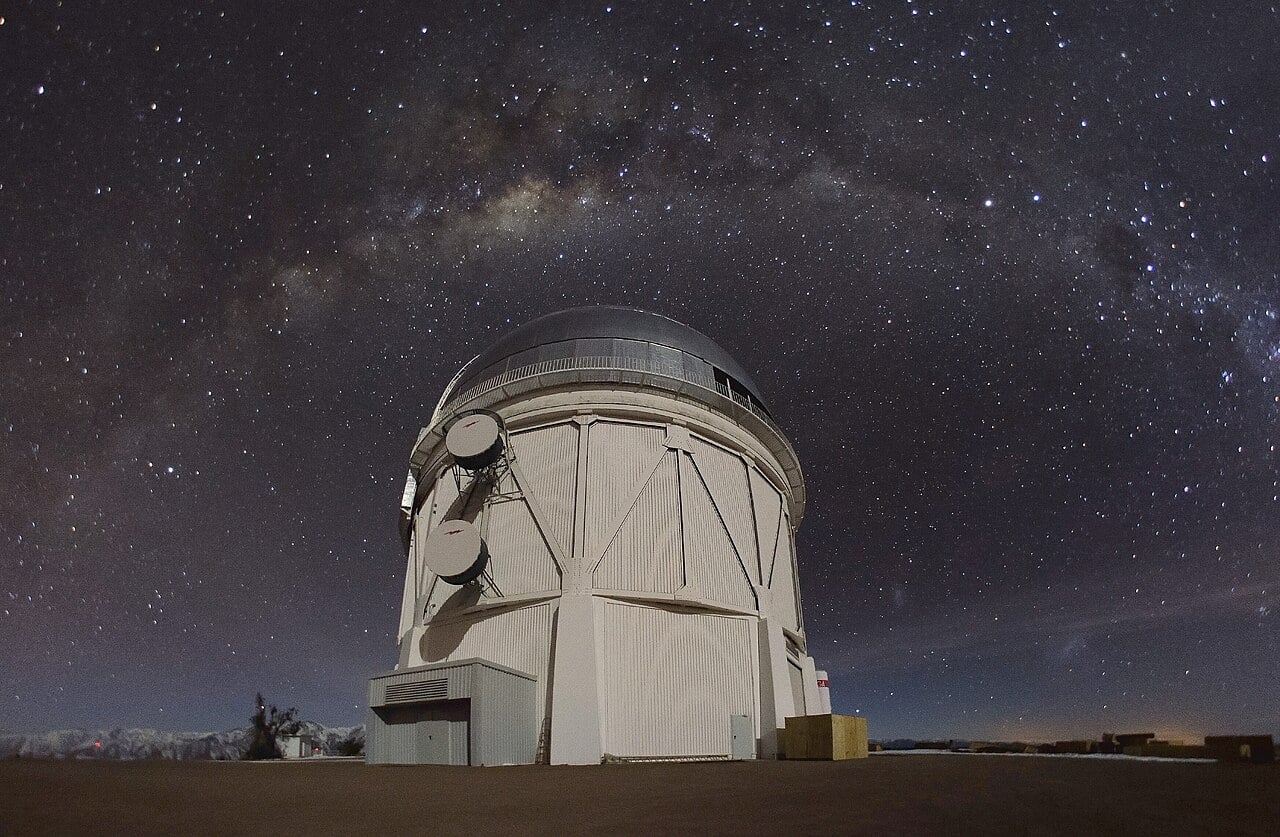
An innovative AI-based scheduling system has been deployed to optimize the use of professional telescopes, traditionally a scarce resource in astronomy. Developed by researchers Alex Drlica-Wagner and Aravindan Vijayaraghavan, the system was tested on the Víctor M. Blanco 4-meter telescope in Chile.
This AI model, trained on observational practices rather than strict rules, was utilized during two observing campaigns in 2026 using the Dark Energy Camera. The model dynamically adjusted to changing conditions, matching the performance of experienced human astronomers.
The system's success is particularly relevant as the Vera C. Rubin Observatory prepares to generate large volumes of alerts, necessitating rapid and efficient follow-up. The AI's ability to automate operational tasks allows astronomers to focus on more complex aspects of their work.
Supporting research using reinforcement learning frameworks has demonstrated the technical feasibility of autonomous scheduling, achieving high performance in simulations, which further validates the potential of AI-driven systems in astronomy.