AI-Powered Bionic Eye Advances Vision Restoration for the Blind
By Priya Anand
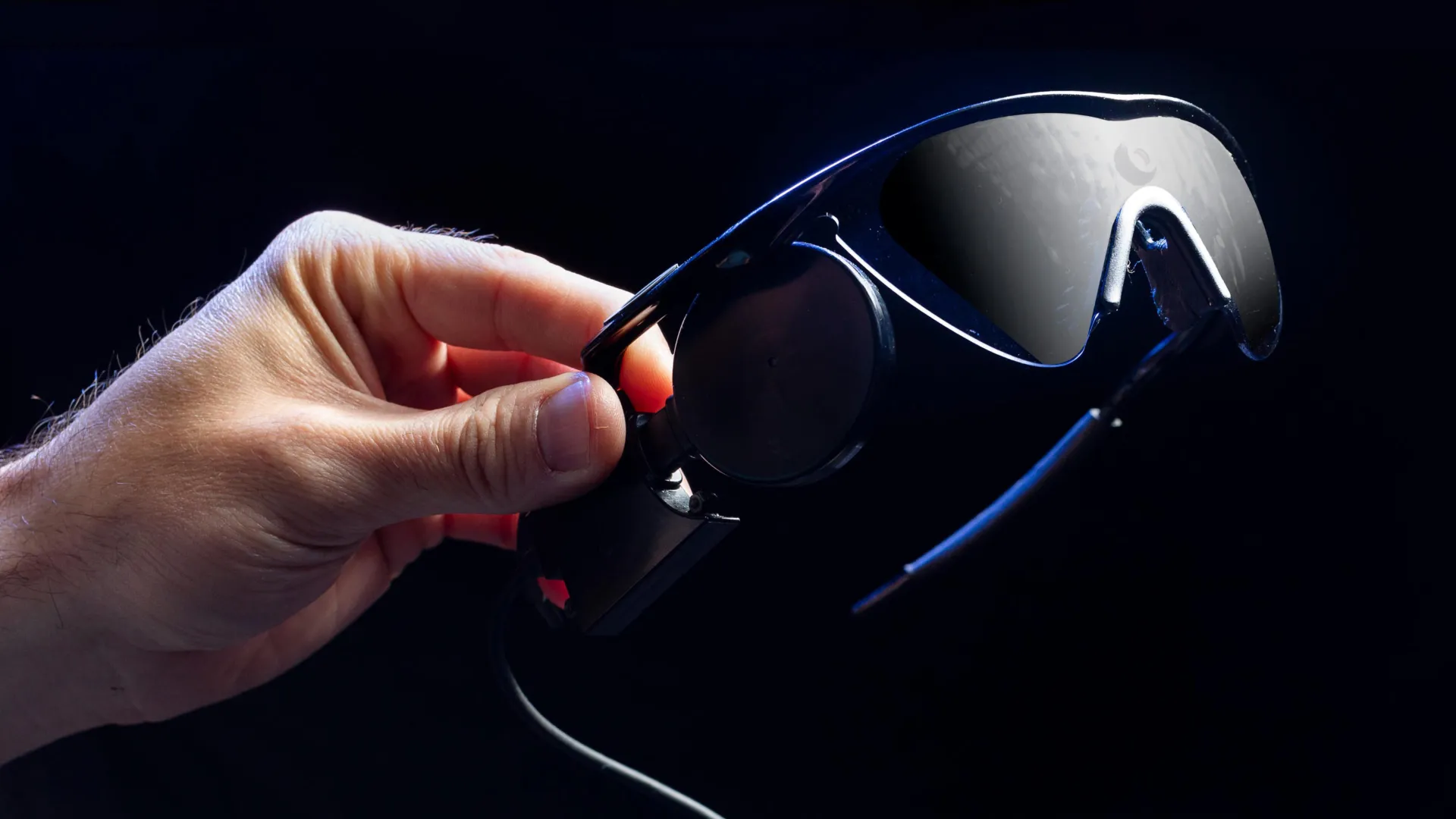
Researchers have developed an AI-driven approach to enhance the precision of experimental bionic vision technology, as reported by ScienceDaily Health on November 12, 2026. This method helps predict the flashes and shapes of light perceived by a blind individual with a brain implant, potentially advancing the restoration of visual function.
The study, published in Neuron, involved the temporary implantation of a 96-electrode Utah array in the visual cortex of a 27-year-old male participant who lost his sight due to a traumatic brain injury. The implant was used both to stimulate and to record neural activity.
A deep neural network was trained to predict cortical responses based on stimulation parameters and the brain’s resting activity prior to stimulation. This AI-guided approach produced more accurate and stable neural responses, requiring lower electrical current than traditional methods.
Recorded neural activity was found to be a better predictor of the participant’s reported visual perceptions, including the shape, size, brightness, and color of phosphenes, than the stimulation settings themselves.
Michael Beyeler from UC Santa Barbara, the project leader, emphasized the importance of adaptability in visual prostheses, stating that the device should learn and adapt to an individual's brain responses.
The research received support from a 2022 NIH Director’s New Innovator Award, providing a five-year, $2 million grant. The study represents a collaborative effort among UC Santa Barbara, ETH Zurich, and Miguel Hernández University.