AI Boom's Uneven Impact on Southeast Asian Economies
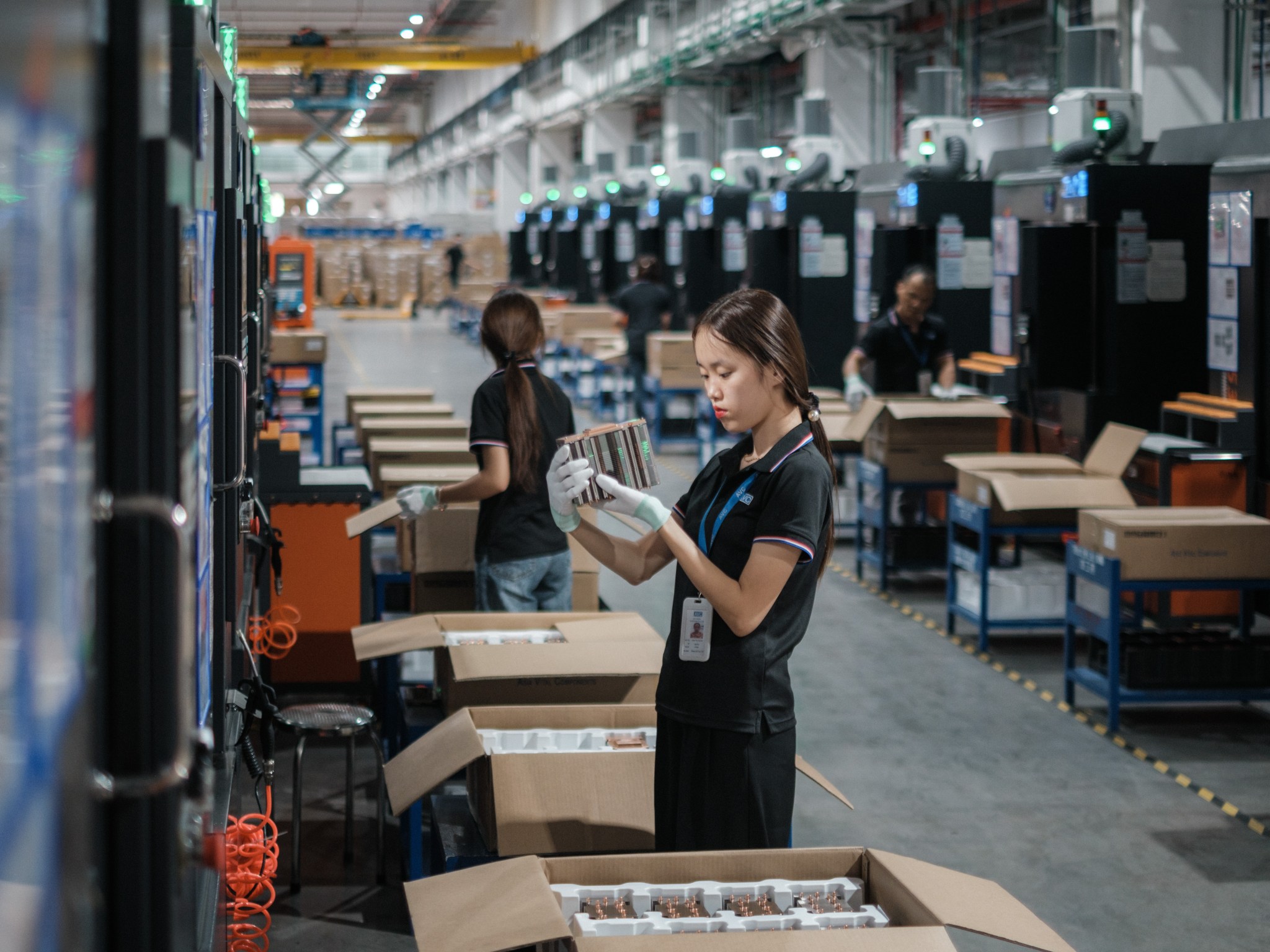
The rapid growth of artificial intelligence (AI) is lifting economies across Asia, but Southeast Asia may experience only a transient boost, according to a report by Fortune. Economists are concerned that the benefits of AI will not be evenly distributed across the region, with Southeast Asia's limited role in global manufacturing potentially hindering sustained growth.
Southeast Asia contributes just 6% to global intermediate manufacturing, compared to China’s 15%, highlighting its lower position in the AI supply chain. This disparity may limit the region's ability to capitalize on the AI boom, despite strong demand for AI-related exports driving regional growth forecasts.
According to the ASEAN+3 Regional Economic Outlook, the growth forecast for the region in 2026 has been upgraded to 4.1%, driven by robust demand for semiconductors and AI-related exports. However, the International Monetary Fund warns that without significant investments in human capital and structural reforms, Southeast Asia could face long-term divergence from more advanced economies.
The impact on labor markets is also a concern. The International Labour Organization reports that nearly 80 million workers in ASEAN countries are in jobs with some exposure to generative AI, but only a small fraction are in roles with the highest exposure. This suggests that while AI adoption is underway, its effects on employment are not yet fully realized.
Singapore, with a substantial commitment of over S$1 billion in AI research and development, leads the region in workforce exposure to AI. In contrast, the Philippines' business process outsourcing sector, a significant contributor to its GDP, faces a downgraded outlook due to the AI transition.