African AI Ecosystem Focuses on Building Infrastructure Amid Global Gaps
By Adrian Cole
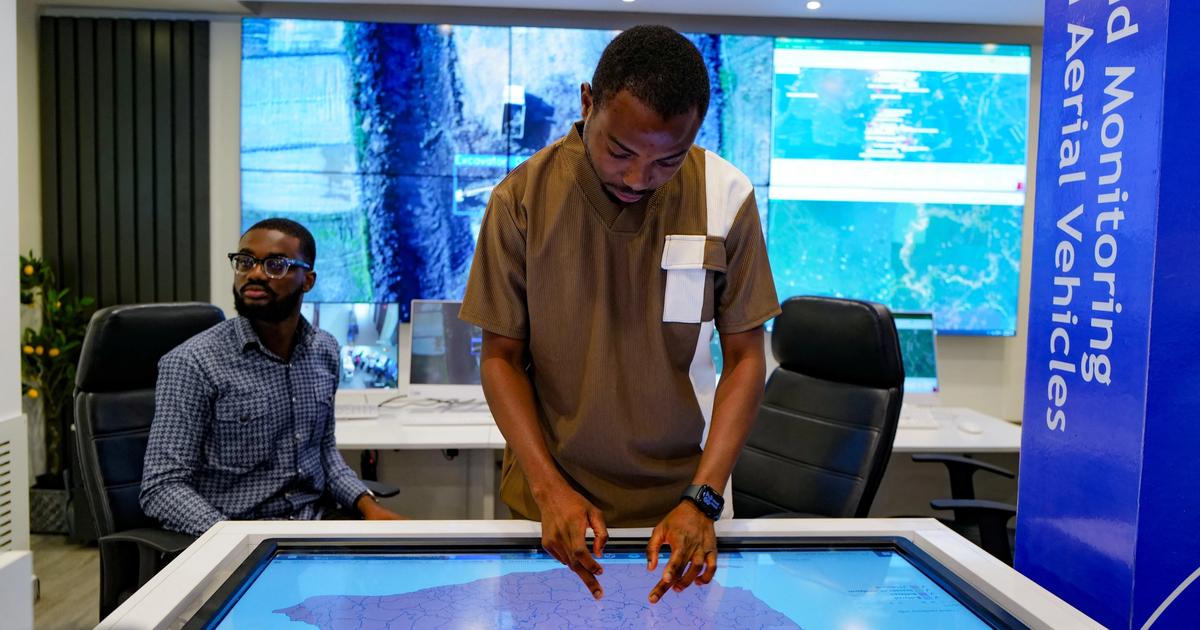
African entrepreneurs and governments are increasingly focusing on developing an artificial intelligence (AI) ecosystem tailored to local needs, despite significant gaps in computing infrastructure, capital, and energy. This approach seeks to leverage AI's potential to transform economies across the continent.
Sub-Saharan Africa hosts approximately 160 data centers, representing just 5.5% of the global total, with capacity concentrated in South Africa, Nigeria, and Kenya. The region's compute capacity stands at about 0.4 GW, less than 1% of the global total. Furthermore, around half of the population lacks reliable electricity, and 78% of firms experience routine outages, impacting annual sales by an average of 8.4% compared to a global average of 5.2%.
Despite these challenges, significant investments are being made to bolster infrastructure. Microsoft and G42 have committed US $1 billion to develop a 100-MW green data center campus in Kenya, powered by geothermal energy. Cassava Technologies and NVIDIA have announced a US $700 million partnership to deploy 12,000 GPUs across several African countries.
Strategic frameworks are also being established to support AI development. The African Union's Continental AI Strategy, endorsed in 2024, and the East African Community's Regional AI Declaration in 2026, emphasize building AI systems that prioritize regional languages and infrastructure. These initiatives aim to enhance AI sovereignty and could potentially add up to US $1 trillion to Africa's GDP by 2035.
The AI startup scene in Africa is growing rapidly, with 16 startups in 2025, a 77.8% increase from the previous year. These startups raised US $48.3 million, marking a 250% increase from 2024, with the majority of funding at the pre-seed or seed stage.