2026 World Cup Integrates Sustainability Efforts Led by Climate School Alumni
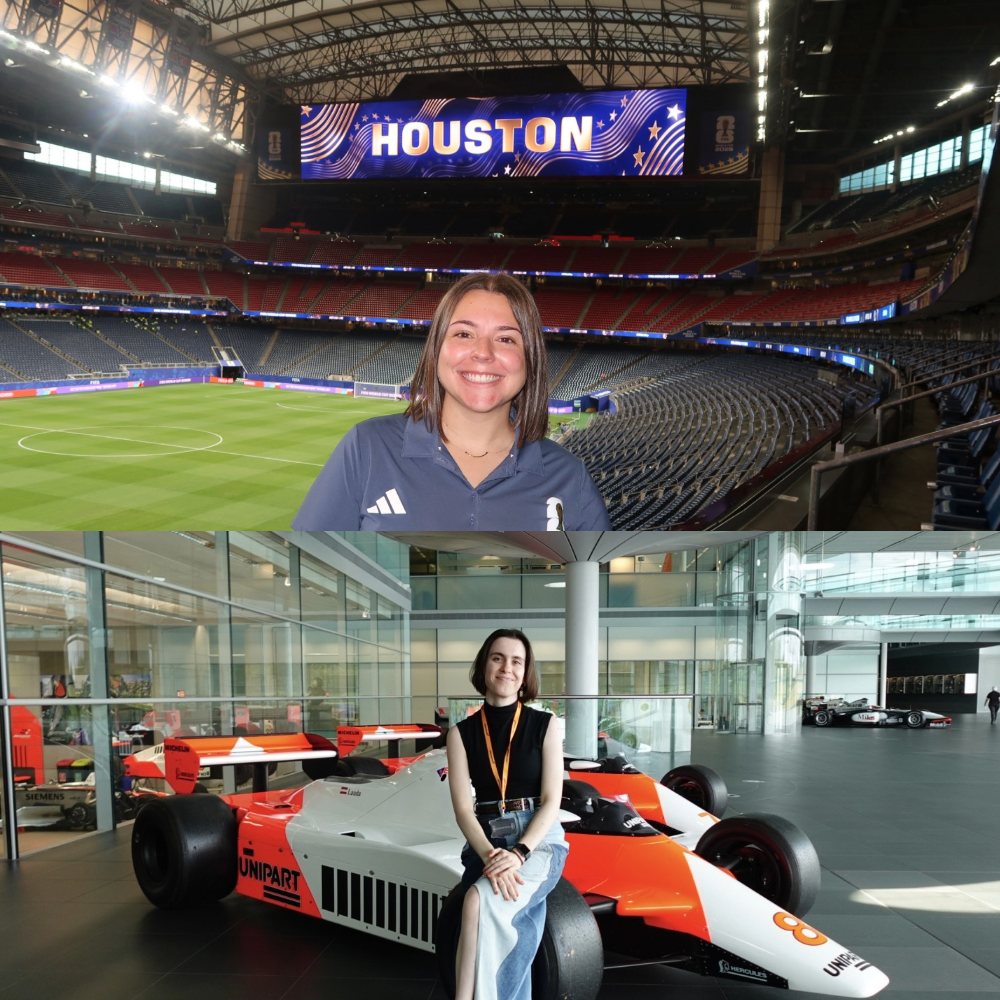
The 2026 FIFA World Cup, hosted across 16 cities in the United States, Canada, and Mexico, is incorporating significant sustainability initiatives, driven in part by alumni from Columbia University's Climate School. These efforts include a major tree-planting campaign and comprehensive waste management strategies.
Peyten Hernandez, a graduate of Columbia's M.A. in Climate and Society program, is a key figure in these efforts. As a sustainability and human-rights venue supervisor in Houston, Hernandez oversees supply chain, energy, and waste initiatives. A notable project under her supervision is a tree-planting campaign in collaboration with the Arbor Day Foundation, aiming to plant one million trees across North America.
Fiona Flaherty, another alumna, works with Think Beyond in London to enhance sustainability in sports organizations globally. She highlights the impact of climate challenges on grassroots and youth leagues, which often feel the effects more acutely than professional sports.
The U.S. Environmental Protection Agency has partnered with FIFA to support environmental stewardship during the tournament. This collaboration includes initiatives for food-waste reduction, air-quality monitoring, and circular-economy practices in host cities.